Home Window Tinting: A Complete Guide
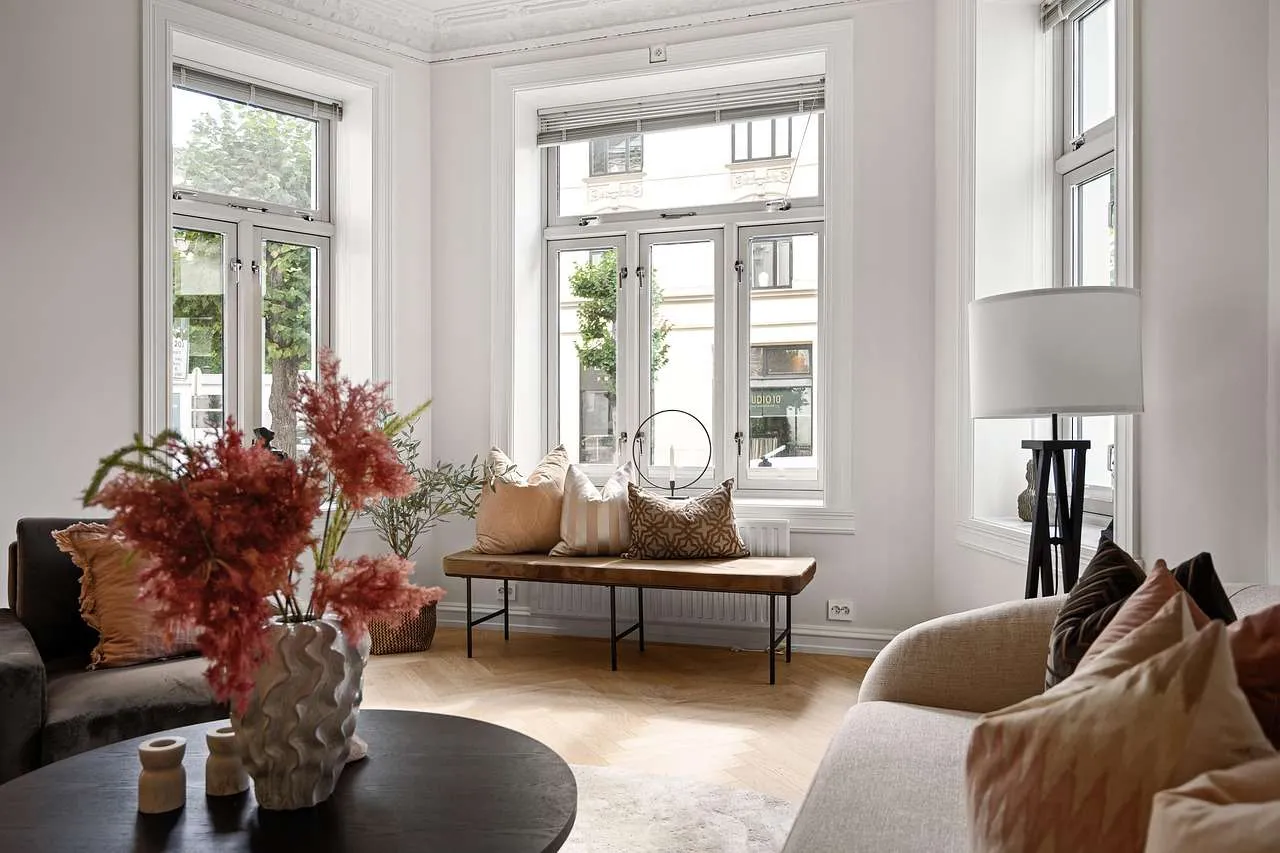
Home window tinting is a practical upgrade for residences that want to control heat, glare, and privacy while protecting furnishings from sun damage. Modern tint films are thin, durable, and available in a range of shades and performances to match style and climate. This guide reflects industry experience and manufacturer guidance to help homeowners make informed decisions.
What is home window tinting?
Window tinting refers to applying a film to interior surfaces of glass windows. The film is a multilayer laminate that can reflect, absorb, or transmit light and heat. Most residential films combine a tinted layer with adhesives and a protective top coat. The result is a clearer, more stable indoor environment, with visible improvements in comfort and energy efficiency. Experts emphasize matching the film to the window type and climate to maximize longevity and performance.
As a seasoned guide to home upgrades, this article notes that a licensed installer can perform a feasibility assessment, ensure proper edge sealing, and provide warranty coverage for the film.
How tinting works
Tint films reduce solar heat gain by reflecting infrared energy and absorbing UV radiation before it enters the room. They also minimize glare, protecting eyes from intense sun. Some films also strengthen glass against shattering, offering a small safety benefit. The exact performance depends on the film's composition, whether it uses metal, ceramic compounds, or carbon, as well as the tint level selected.
Benefits of home window tinting
- Lower energy bills by reducing cooling loads in hot seasons, which can be noticeable in sunny rooms.
- UV protection that blocks up to 99 percent of ultraviolet rays, helping protect furniture, artwork, and flooring from fading.
- Reduced glare for comfortable work, study, or home theater experiences.
- Increased privacy without sacrificing natural light, especially in ground-floor bedrooms or street-facing units.
- Added safety and durability from certain film layers that hold glass together if shattered.
Film types and features
Residential window films range from budget friendly dyed films to advanced ceramic and carbon technologies. Your choice should align with climate, window type, appearance, and budget.
| Film Type | Tint Level | Heat Reduction | UV Rejection | Glare Reduction | Typical Cost | Warranty |
|---|---|---|---|---|---|---|
| Dyed | Moderate | Low–Moderate | Good | Moderate | Low | 5–10 years |
| Metalized | Higher | High | Excellent | High glare | Moderate | 8–12 years |
| Ceramic | High | Very High | Excellent | Low glare | Higher | 12–20 years |
| Carbon | Balanced | High | Excellent | Low glare | Moderate–High | 10–15 years |
| Low-E | Very High | Very High | Excellent | Low glare | High | 12–20 years |
How to choose the right film
Start by evaluating your goals: do you want the darkest tint for privacy, or the best heat rejection with a light appearance? Check the visible light transmission and solar energy rejection ratings provided by manufacturers. Consider home orientation: south or west facing windows typically require higher heat rejection. Confirm that the film is compatible with your window type and frame material, and ask for a formal quote that outlines material, labor, warranty, and maintenance requirements. Verify that the installer is licensed or certified and that the work will be covered by a manufacturer warranty.
Installation options and considerations
Professional installation is recommended for most homes. Trained installers ensure even coverage, proper edge sealing, and accurate heat rejection testing. They also handle safety when working on elevated or large windows. DIY tinting can be tempting for small projects, but it carries risks of bubbles, creasing, and warranty voids. If you choose DIY, follow product instructions carefully and work slowly to avoid damage. After installation, avoid ammonia based cleaners for at least a week to preserve the film's adhesive bond. Industry experts note that a quality job from a licensed pro often yields better long term reliability and customer satisfaction.
Costs, ROI, and maintenance
Prices vary by film type, window size, and labor, but typical residential projects can range from a few hundred to a few thousand dollars. You can expect roughly 5 to 15 percent reductions in cooling costs in many climates, with greater savings in hotter regions. In addition, better UV protection helps preserve interior furnishings and flooring, while glare reduction improves daily comfort. Maintenance is simple: clean with a soft cloth and a non ammonia cleaner. Most films last 10 to 20 years, with higher end options lasting longer, depending on climate and care.
Frequently asked questions
- Is home window tinting legal in my area
- Will tint affect my window warranty or home security alarms
- Can tinting block all sunlight or see through visibility
- What film performs best for energy savings in hot climates
Conclusion, home window tinting offers a balance of comfort, protection, and energy efficiency. By selecting the right film type, pairing it with professional installation, and maintaining the film, homeowners can enjoy durable benefits that improve daily living while protecting interiors from sun damage.